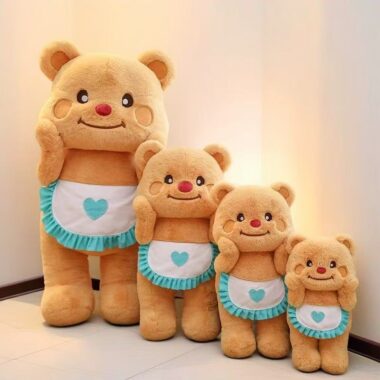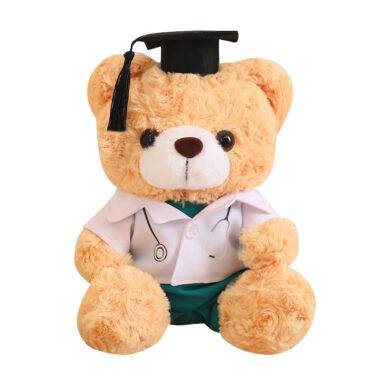
When it comes to choosing stuffed animals, safety is the number one concern, especially if you’re buying them for babies, toddlers, or young children. Stuffed animals can be wonderful companions, offering comfort, emotional support, and endless hours of fun, but it’s essential to make sure that they are safe for the child or recipient.
Here’s everything you need to know about choosing safe stuffed animals:
🧸 What You Need to Know About Choosing Safe Stuffed Animals
1. Look for Age-Appropriate Labels
- Why it’s great: Stuffed animals often come with age recommendations clearly stated on their packaging. This is the first step in ensuring that the toy is safe for the child’s age group.
- Occasions: When gifting a stuffed animal to a baby, toddler, or young child.
- Pro Tip: Follow the manufacturer’s age guidelines closely. A stuffed animal that is safe for a toddler may not be suitable for an infant due to small parts or loose features.
2. Check for Small Parts
- Why it’s great: Small parts, like buttons, nose threads, or beads, can present a choking hazard, particularly for younger children who may still explore the world by putting things in their mouths.
- Occasions: Especially important for babies and toddlers.
- Pro Tip: Opt for embroidered eyes and nose, especially for infants and toddlers, as these are much safer than plastic or glass eyes that can come loose.
3. Avoid Loose Accessories
- Why it’s great: Accessories such as bows, hats, or clothing can easily come loose and be swallowed or choked on, presenting a serious safety risk.
- Occasions: Babies or any age group still likely to put things in their mouths.
- Pro Tip: If you do buy a stuffed animal with accessories, make sure they are securely sewn or attached and cannot be removed easily.
4. Non-Toxic Materials
- Why it’s great: Choose stuffed animals made from non-toxic materials to ensure that they are free from harmful chemicals like phthalates, lead, and BPA. Babies and toddlers often put stuffed animals in their mouths, making this particularly important.
- Occasions: Infants and children in general.
- Pro Tip: Look for a CE mark or ASTM certification, which means the toy has passed safety standards for chemicals and materials.
5. Machine-Washable or Easy to Clean
- Why it’s great: Babies and children often get their toys dirty. It’s essential that stuffed animals can be easily cleaned to avoid germs and bacteria build-up.
- Occasions: Ideal for any stuffed animal that will be handled frequently, such as by toddlers, young children, or babies.
- Pro Tip: Choose a stuffed animal that is machine-washable or can be cleaned easily with mild detergent. Check the care instructions before purchasing.
6. Check for Secure Stitching
- Why it’s great: Loose stitching can cause parts of the stuffed animal to come apart, which can create choking hazards or make the toy unsafe. Make sure all seams are tightly stitched, especially around the face, arms, and legs.
- Occasions: When buying stuffed animals for young children who may pull or tug on them.
- Pro Tip: Look for high-quality stitching that appears neat and strong. The stitching should not have loose threads that could be pulled.
7. Soft and Safe Fabrics
- Why it’s great: The fabric of the stuffed animal should be soft, hypoallergenic, and gentle against a child’s sensitive skin. Harsh fabrics could cause irritation, while rougher textures might be uncomfortable.
- Occasions: Especially for newborns and babies.
- Pro Tip: Choose fabrics like cotton, velour, or fleece, which are gentle, breathable, and skin-friendly.
8. Durability
- Why it’s great: Children can be rough on their toys, so it’s important that the stuffed animal is durable and able to withstand frequent handling, tugging, and washing. Durable toys are also less likely to break apart and present safety hazards.
- Occasions: Ideal for toddlers and active children.
- Pro Tip: Opt for well-made, quality brands known for durability, such as Gund, Steiff, or Fisher-Price.
9. Ensure the Stuffed Animal is Flame Retardant
- Why it’s great: Fire safety is critical when choosing a toy for children. Ensure that the stuffed animal is made from flame-retardant or fire-resistant materials.
- Occasions: Important for all children, especially in homes where they have access to areas with potential fire hazards.
- Pro Tip: Check the product label for any fire safety certifications.
10. Avoid Stuffed Animals with Scented Materials
- Why it’s great: Scented stuffed animals, especially those made with chemical fragrances, may not be safe for babies or children with sensitive skin or allergies. Always look for bears made without added scents.
- Occasions: Infants or children with allergies or sensitive skin.
- Pro Tip: Look for unscented toys or those with natural scenting methods (like lavender) that are more likely to be safe for children.
11. Safety Standards and Certifications
- Why it’s great: Look for stuffed animals that meet safety standards like the ASTM F963, which is a U.S. Consumer Product Safety Commission standard for toys, or the European CE mark, which indicates compliance with safety regulations in the EU.
- Occasions: Any stuffed animal purchase, particularly for babies or young children.
- Pro Tip: Research the manufacturer and check for safety certifications before making a purchase.
12. Avoid Stuffed Animals with Strings or Long Ribbons
- Why it’s great: Long strings or ribbons can be a strangulation hazard for babies and toddlers. Avoid stuffed animals with long dangling ribbons or strings.
- Occasions: Infants and toddlers who are prone to pulling on objects.
- Pro Tip: If you choose a teddy bear with a bow or ribbon, ensure the string is very short and cannot be pulled easily.
🧸 How to Keep Stuffed Animals Safe Over Time
- Inspect Regularly: Frequently check the stuffed animal for any loose parts, broken seams, or damage that could present safety risks.
- Keep Clean: Regularly wash or clean the stuffed animal according to the manufacturer’s instructions. Babies and young children tend to drool, which can lead to a build-up of bacteria.
- Storage: Keep stuffed animals away from small objects (e.g., buttons, beads) that could be accidentally added to the bear, and store them in a dry, clean environment.
🧸 Conclusion: Choosing Safe Stuffed Animals
Safety should always be your top priority when choosing a stuffed animal, especially for babies, toddlers, and young children. Make sure to check for age appropriateness, non-toxic materials, and secure stitching. Look for stuffed animals that adhere to safety standards and are free from small parts, strings, or accessories that can be harmful.
By choosing carefully, you can ensure that your child’s cuddly companion is both safe and fun! Are you looking for a specific stuffed animal for a little one? I can help guide you to the best options!